

Cargo Control 2-palcové upínacie popruhy E Track
Cat:E Track Ratchet Tried Downs
Sada 2" račňových popruhov E Track je skutočným všestranným nástrojom, ktorý vyniká v rôznych oblastiach použitia, vďaka čomu je nepostrádateľným n...
Pozri podrobnosti

+86 139 5782 7340

Správny spôsob inštalácie koľajníc E-Track v prívese je namontovať ich priamo na konštrukčné prvky (ako sú oceľové priečky alebo nástenné kolíky) pomocou skrutiek s vysokou pevnosťou, pričom je zachovaný správny rozstup a zarovnanie. Keď je správne nainštalovaná, môže podporovať štandardnú horizontálnu koľajnicu E-Track nosnosť až 6 000 libier na 10-stopovú sekciu v závislosti od upevňovacích prvkov a konštrukcie prívesu.
Nesprávna inštalácia - napríklad upevnenie iba na preglejku - môže znížiť nosnosť o viac ako 50 % , čo výrazne zvyšuje riziko posunu nákladu pri brzdení alebo v zákrute.
Príprava správnych nástrojov zaisťuje bezpečnosť a spoľahlivosť konštrukcie.
Použitie samorezných skrutiek sa postará o náročné aplikácie 1 000 libier pracovné zaťaženie.
E-Track je možné namontovať na podlahy alebo steny prívesu. Pri nástenných koľajniciach by mali byť koľajnice zarovnané s vertikálnymi stĺpikmi, ktoré sú zvyčajne vzdialené od seba 16" alebo 24" v strede . Koľajnice namontované na podlahe by mali byť zarovnané s oceľovými priečkami.
Pravdepodobne ste umiestnili nástennú horizontálnu koľajnicu E-Track 30-48 palcov nad podlahou pre bežné nákladné aplikácie. Inštalácia viacerých radov zvyšuje flexibilitu a rozloženie zaťaženia.
Na zabezpečenie rovného zarovnania použite vodováhu. Nesprávne nastavenie môže ovplyvniť účinnosť popruhu až o 15 % .
Vyvŕtajte vodiace otvory cez E-Track a oceľový rám prívesu. Vzdialenosť medzi skrutkami by nemala presiahnuť 12 palcov pre ťažkú prepravu.
Vložte skrutky s podložkami na oboch stranách, aby ste rovnomerne rozložili silu. nájsť si pomocou momentového kľúča podľa špecifikácií výrobcu.
| Priemer skrutky | Odporúčaný stupeň | Typické pracovné zaťaženie |
|---|---|---|
| 1/4" | 5. ročník | 1 000 – 1 500 libier |
| 5/16" | 8. ročník | 2 000 libier |
Tieto chyby výrazne znížia výkon systému a dokážu udržať záťaž.
Nie. Musí byť ukotvený do oceľových čapov alebo konštrukčných prvkov, aby sa zachovala plná nosnosť.
Pre ťažký náklad by mali byť skrutky rozmiestnené každých 12 palcov pozdĺž koľajnice.
Horizontálne je všestrannejšie pre všeobecnú nákladnú dopravu; vertikálne funguje dobre pre nastaviteľné výškové viazanie.
Pre tenkostenné prívesy sa pravdepodobne nosné dosky, aby sa napätie rovnomerne rozložilo.
Typicky 20-30 ft-lbs pre 1/4" skrutky, v závislosti od triedy a pokynov výrobcu.
Väčšina uzavretých prívesov využíva tri vodorovné rady pre dve maximálne flexibilné.
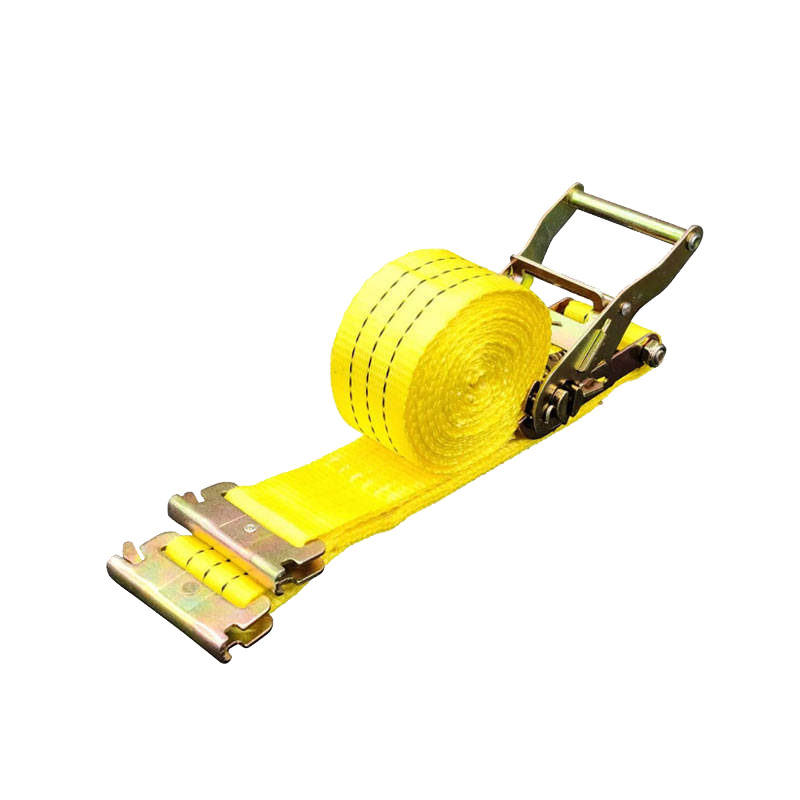
Sada 2" račňových popruhov E Track je skutočným všestranným nástrojom, ktorý vyniká v rôznych oblastiach použitia, vďaka čomu je nepostrádateľným n...
Pozri podrobnosti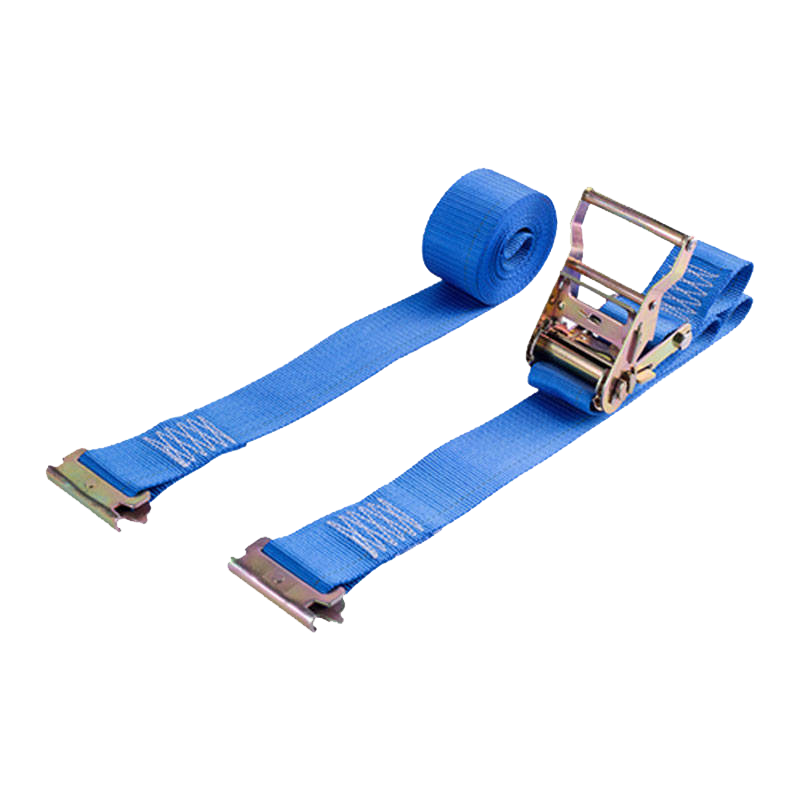
Ratchetovacie popruhy E Track majú pevnosť v pretiahnutí 4400 libier. a limit pracovného zaťaženia 1460 libier. sú vybavené vysoko kvalitnými pruži...
Pozri podrobnosti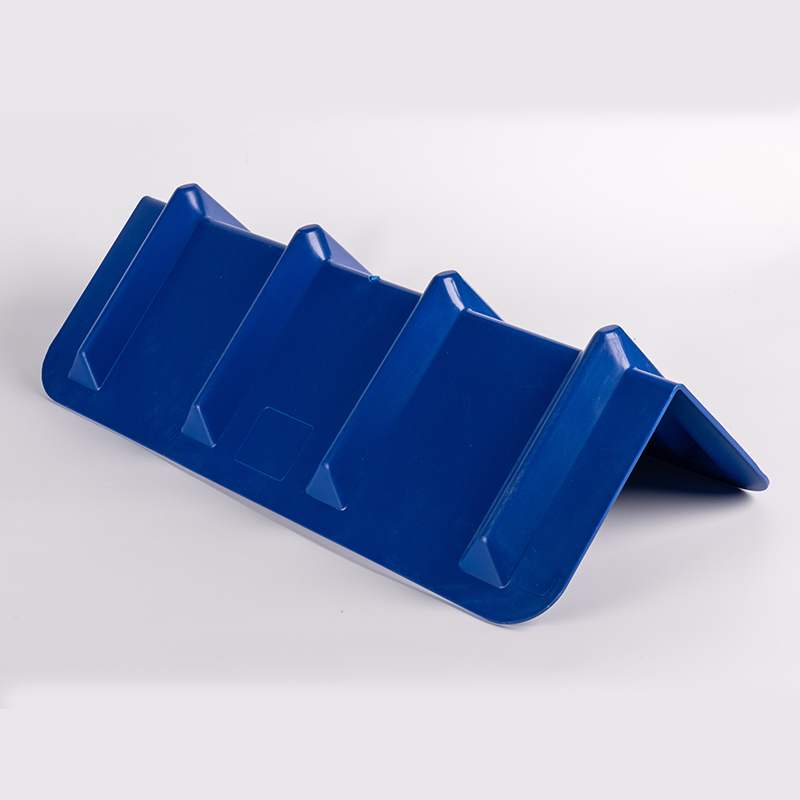
Náš 24-palcový plastový chránič rohov vyrábaný z vysokej hustoty, ponúka výnimočnú odolnosť a flexibilitu, vďaka čomu predstavuje ideálnu bariéru m...
Pozri podrobnosti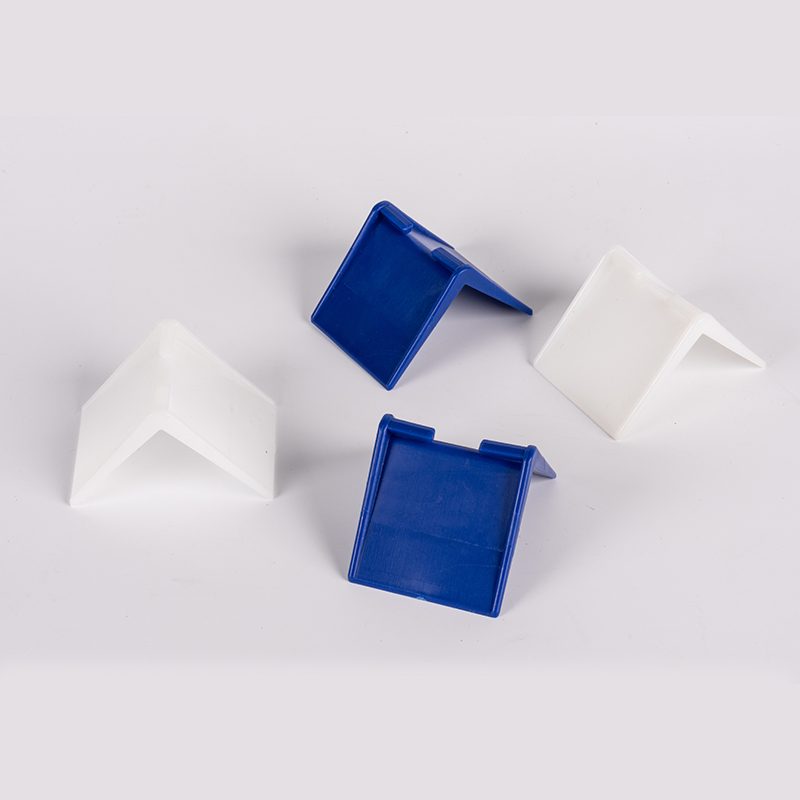
Tento chránič dosky rohov v tvare V predstavuje jednoduchý spôsob, ako ochrániť náklad pred nebezpečenstvom počas prepravy a zaistiť popruhy na svo...
Pozri podrobnosti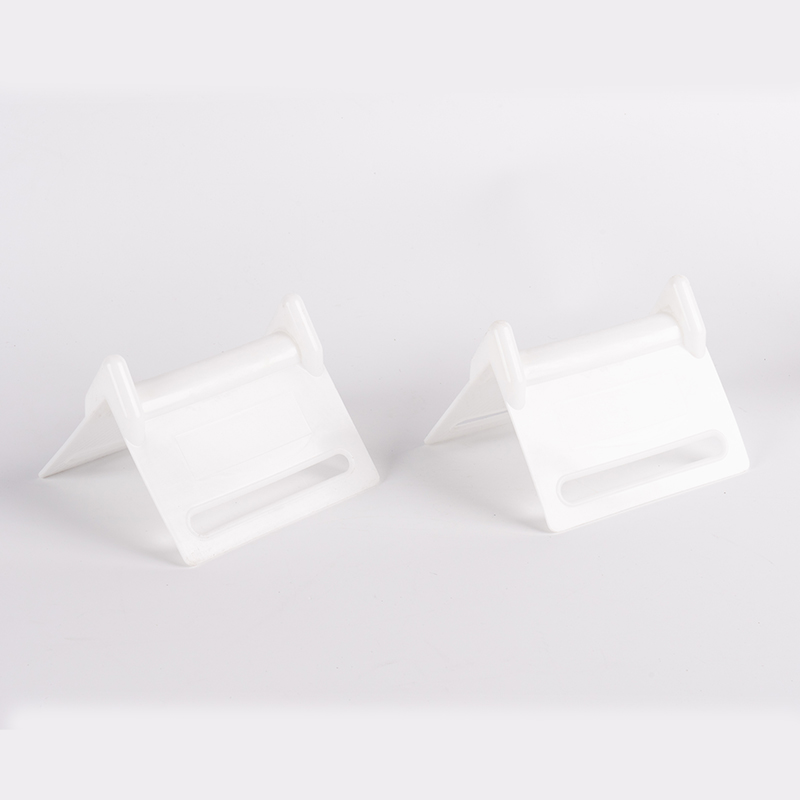
Naše sú vyrobené z vysoko kvalitného plastu a chránia pred poškodením rohovmi popruhmi a popruhmi a sú odolné voči opotrebovaniu, roztrhnutiu a def...
Pozri podrobnosti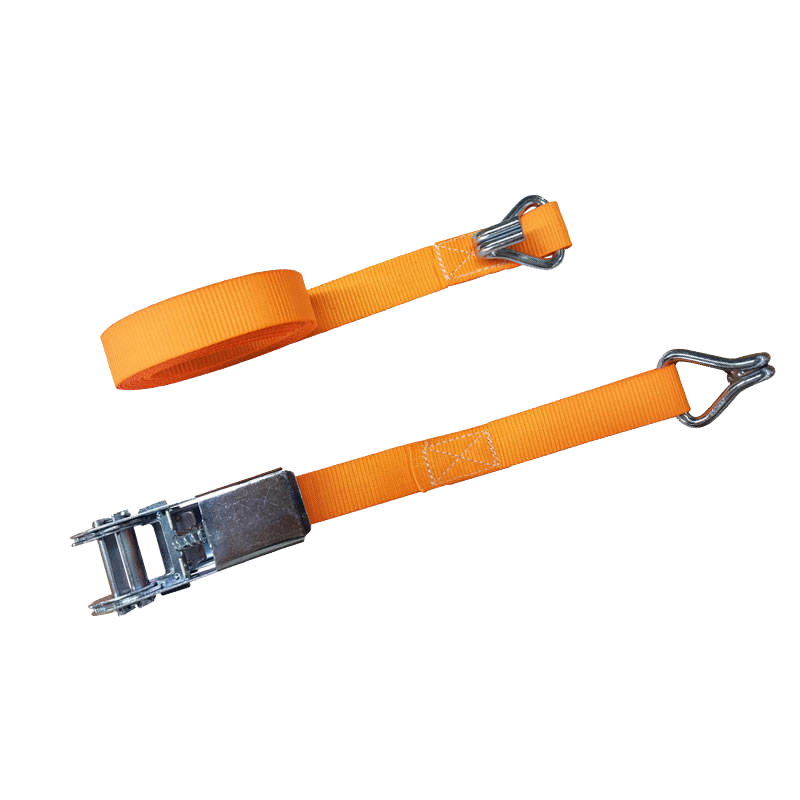
Upínacia račňa medza pevnosti 1000 libier JEDNODUCHÁ OBSLUHA A RÝCHLE UVOĽNENIE: Potiahnutá rukoväť je vybavenou páčkou pre ľahkú obsluhu a uvoľ...
Pozri podrobnosti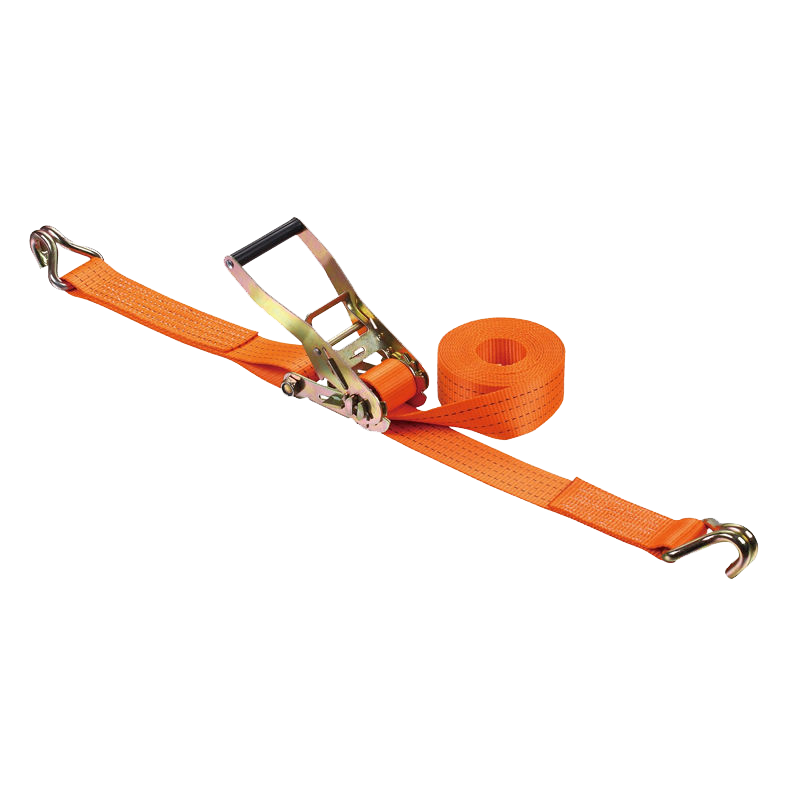
Vďaka dômyselnému mechanizmu s račňou je stiahnutie sťahovania popruhu s hračkou. Jednoducho prevlečte popruh cez prax, stiahnite si popruh a zaist...
Pozri podrobnosti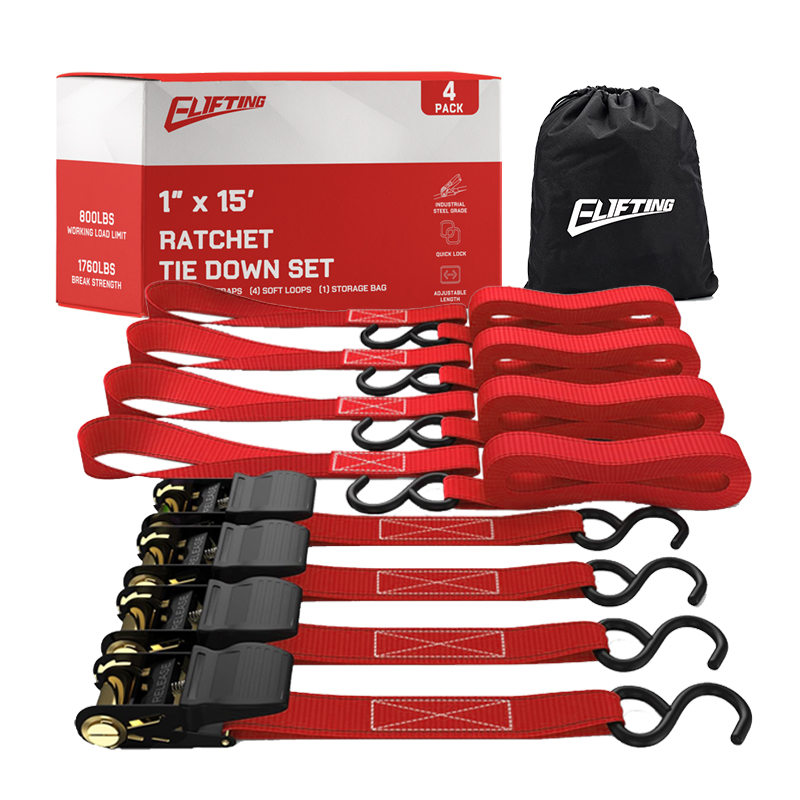
Vysoká pevnosť : Vyrobené z odolných materiálov na zaistenie spoľahlivej upevňovacej sily, vhodné na viazanie a zaistenie rôznych ťaž...
Pozri podrobnosti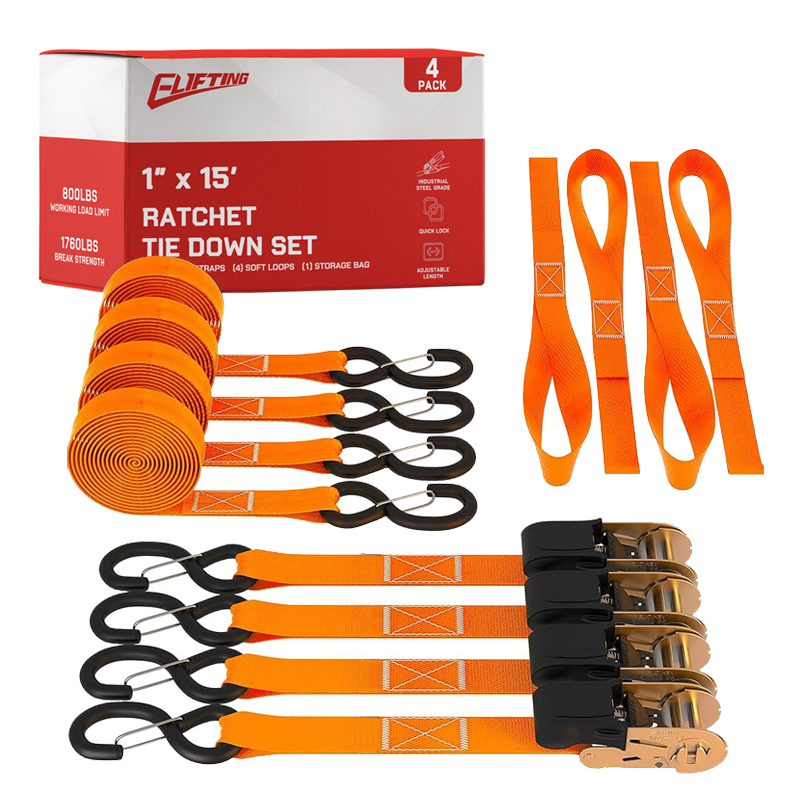
Vysoká pevnosť : Vyrobené z odolných materiálov na zaistenie spoľahlivej upevňovacej sily, vhodné na viazanie a zaistenie rôznych ťaž...
Pozri podrobnosti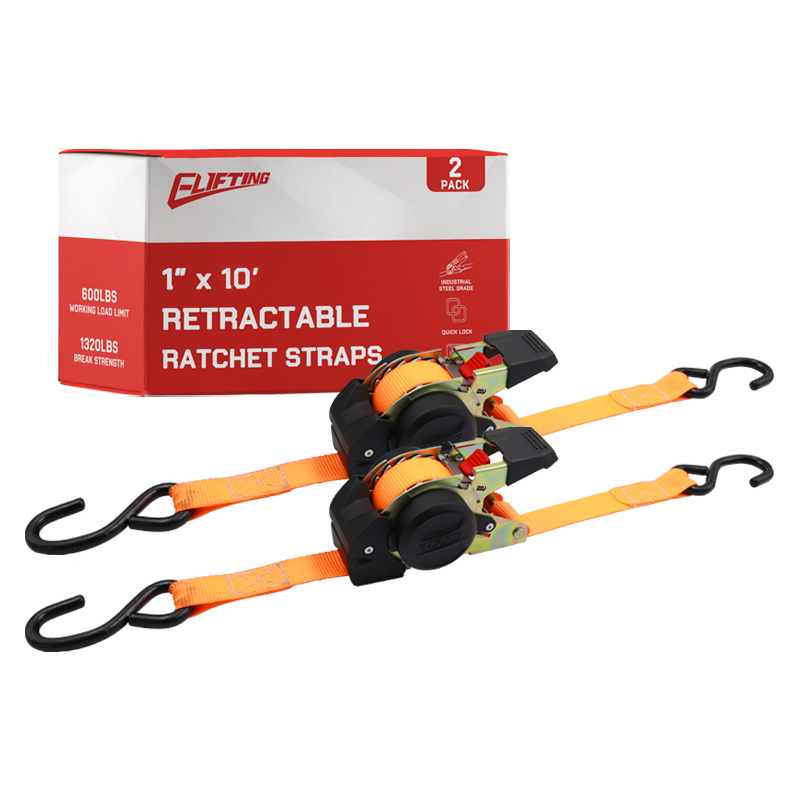
■ Okamžité automatické navíjanie popruhu – Prebytočnú dĺžku popruhu jednoducho stiahnete kliknutím na tlačidlo ...
Pozri podrobnosti
Dedina Shangcheng, mesto Tangxi, Ningbo, Zhejiang, Čína
+86 139 5782 7340
Autorské práva © Ningbo Easy Lifting Auto Accessories Co., Ltd.
